Tehran: Iran said Wednesday that it had reached an understanding with Oman on both territorial and financial aspects of managing traffic through the Strait of Hormuz, including how revenues from the strategic waterway would be divided.
Hossein Mohebbi, a spokesman for Iran’s Islamic Revolutionary Guard Corps (IRGC), said Tehran and Muscat had agreed on each country’s share of the strait’s waters as well as their respective shares of revenues. His remarks were reported by Iran’s state-run Sepah News agency.
The claim goes beyond a joint statement issued by the Iranian and Omani foreign ministries on Tuesday. The statement said the two countries had discussed an “interim framework” aimed at facilitating the resumption of vessel traffic through the strait, but did not announce a final agreement or mention revenue sharing.
Mohebbi also said the United States was hindering the negotiations, although he did not provide details or evidence for the claim.
Reopening Still Conditional
Iranian officials have indicated that an understanding with Oman would not automatically result in the immediate reopening of the Strait of Hormuz.
Tehran has linked the normalization of shipping to U.S. compliance with a memorandum of understanding signed in June. Iranian demands reportedly include sanctions relief, an end to a naval blockade on Iranian ports and the release of Iranian assets held abroad.
Washington has not indicated that it is prepared to accept those conditions.
A 60-day interim arrangement expired earlier this month following repeated breaches, amid disputes between Washington and Tehran over control of the waterway.
Dispute Over Transit Fees
The question of transit-related charges has also emerged as part of the broader discussions.
Iran reportedly began charging some vessels during the initial weeks of the conflict. Tehran later characterized the payments as fees for services rather than transit charges.
Oman told the United Nations shipping agency in July that it opposed transit fees in the strait. Muscat has nevertheless reportedly indicated privately to some European officials that vessels could be charged for specific services associated with navigation.
The issue could become significant if Iran and Oman establish a wider framework for managing maritime traffic and revenue through Hormuz.
Strait Remains Largely Closed
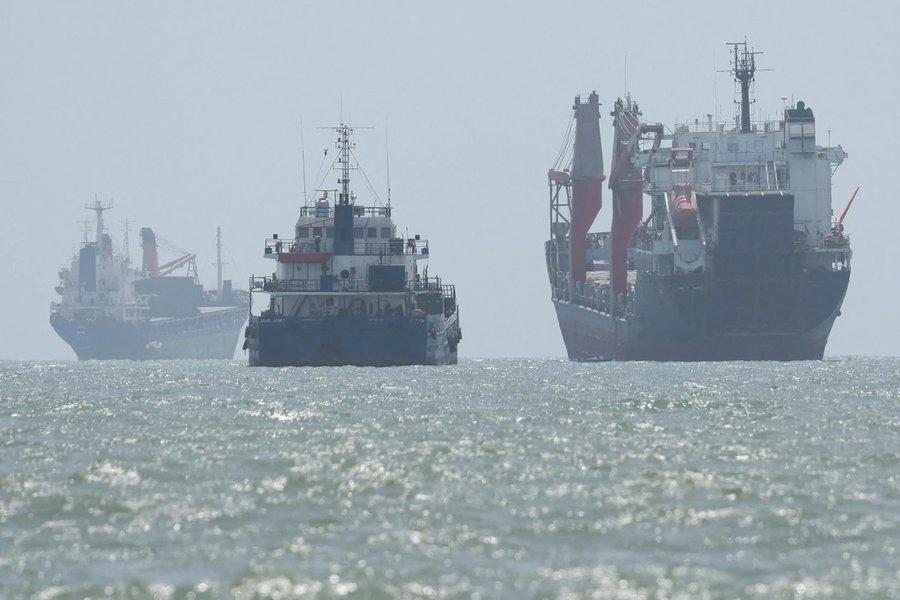
The Strait of Hormuz has remained largely closed to normal commercial traffic since the United States and Israel launched military operations against Iran on February 28, although some vessels have continued to transit the waterway.
Before the conflict, the strait carried roughly one-fifth of global oil and liquefied natural gas supplies, making any prolonged disruption significant for international energy markets.
While millions of barrels of crude continue to move through the waterway, attacks involving vessels have also continued.
For now, the reported understanding between Iran and Oman appears to represent progress in negotiations, but it does not by itself establish that the Strait of Hormuz will fully reopen. The timing and scope of any reopening remain dependent on broader negotiations involving Iran and the United States.
About the Author