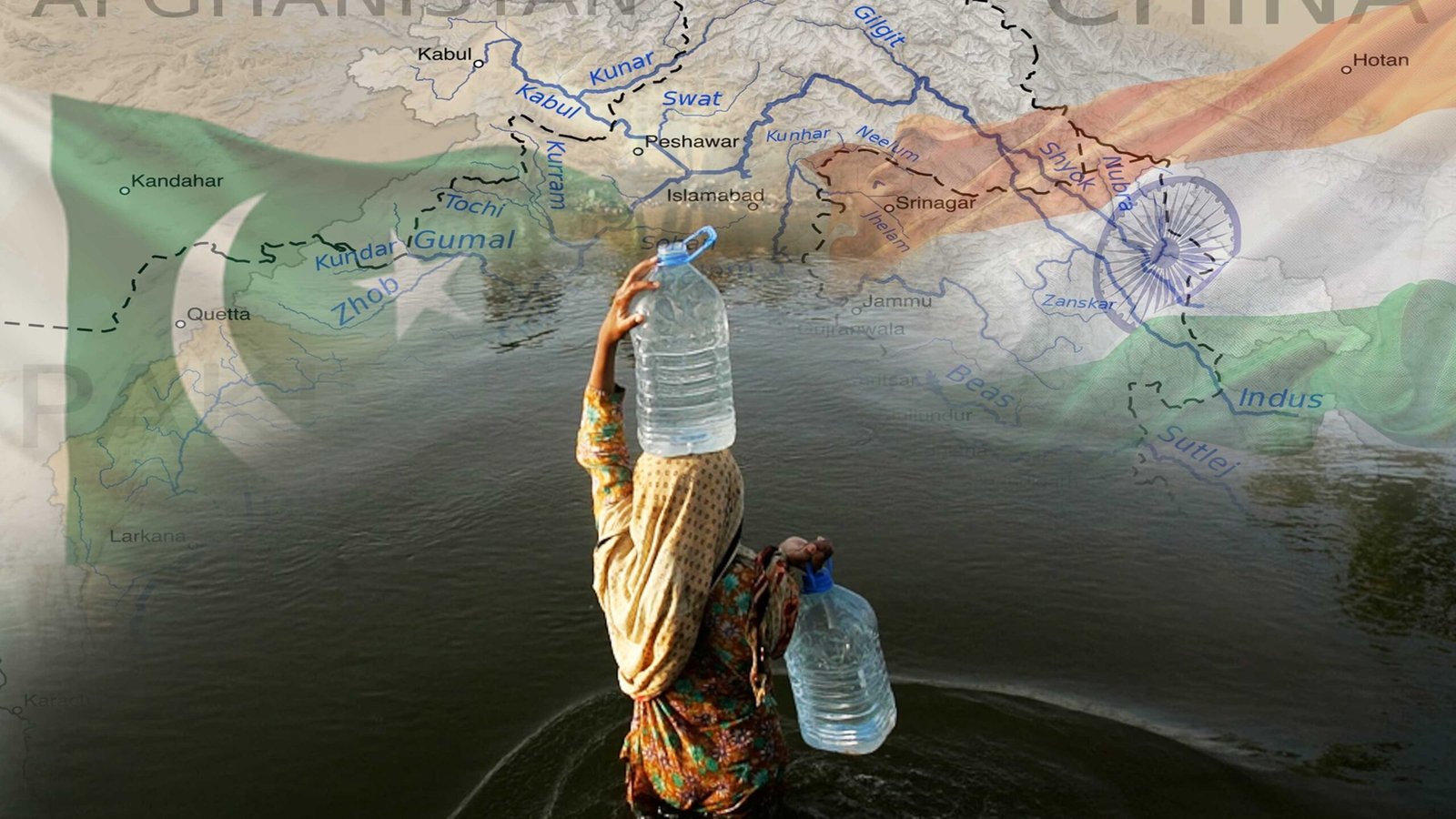
AMSTERDAM: India must continue to honour its water-sharing treaty with Pakistan, which it suspended amid heightened bilateral tensions, and restrict construction at a hydroelectric project in the Kashmir region, the Permanent Court of Arbitration in The Hague said on Monday.
India suspended the 1960 Indus Waters Treaty in April last year after identifying Pakistan as responsible for an attack in Kashmir that killed 26 people at a tourist destination. Islamabad denied any involvement in the attack.
The treaty, which governs the sharing of water from the Indus river system, has remained in force through three wars and repeated periods of tension between the nuclear-armed neighbours. It supplies water to a large share of Pakistan’s agricultural land.
Pakistan initiated legal proceedings after India began work to increase reservoir capacity at two hydroelectric projects in the Kashmir region, viewing the move as a significant step towards operating outside restrictions imposed by the treaty.
The Permanent Court of Arbitration said the treaty remained fully in force and that India had no legal basis to suspend or terminate it.
“India must observe its obligations under the Treaty, including those relating to the design and operation of its hydro-electric projects on the Western Rivers,” the court said.
India, which is a member of the court, rejected the ruling and said it did not recognise the tribunal’s jurisdiction in the case.
“This so-called Court of Arbitration has no jurisdiction whatsoever to pronounce on India’s sovereign decisions,” India’s foreign ministry said in a statement. It added that the ruling would have no effect on India’s actions regarding the projects.
The court said a neutral expert appointed by the World Bank would determine by July 2027 whether the hydroelectric projects in the Himalayan region comply with the treaty.
At Pakistan’s request, the court also ordered India not to raise the dam wall or power intake structure at the Ratle Hydroelectric Power Project beyond specified levels until 90 days after the neutral expert issues a decision.
About the Author