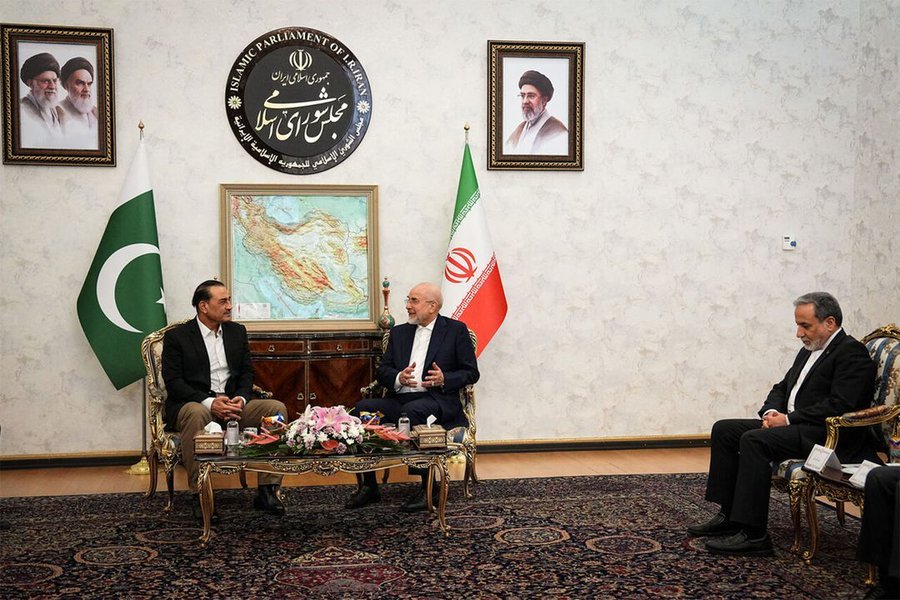
TEHRAN: Iran on Tuesday described Pakistan’s Army Chief and Chief of Defence Forces, Field Marshal Syed Asim Munir’s recent visit to Tehran as “highly productive,” saying the talks produced “significant diplomatic achievements” whose results would become apparent soon.
Seyed Mehdi Tabatabaei, deputy for communications and information at the Iranian President’s Office, said in a post on X that the visit had been productive, rejecting what he described as inaccurate media speculation about the outcome of the talks.
“Contrary to some inaccurate media speculation, the visit … was highly productive and yielded significant diplomatic achievements, the results of which will become apparent soon,” he said.
Munir travelled to Tehran on Monday as part of Pakistan’s diplomatic efforts to help ease tensions surrounding the conflict between Iran and the United States. During the visit, he held meetings with Iranian President Masoud Pezeshkian, Parliament Speaker and chief negotiator Mohammad Bagher Ghalibaf, Supreme National Security Council Secretary Mohsen Rezaei and Interior Minister Eskandar Momeni.
According to Pakistan’s military, the discussions focused on preventing further escalation, reopening the Strait of Hormuz and exploring ways to end the Iran-US conflict through negotiations.
Pakistan’s Interior Minister Mohsin Naqvi accompanied Munir during the visit. Naqvi said the talks also covered steps that Tehran and Washington would need to take to revive the Islamabad memorandum of understanding and move towards a broader settlement of the conflict.
Naqvi said on Tuesday that “significant progress” had been made during the discussions, although he did not disclose details of any understandings reached.
The Pakistani military also said the visit had resulted in “encouraging progress toward a final understanding” as Islamabad continued its diplomatic efforts to facilitate dialogue between Tehran and Washington.
The visit came after Munir spoke with US President Donald Trump ahead of his trip to Tehran, according to Pakistani sources cited by Reuters. One source said Washington had asked Pakistan to use its influence to encourage Iran to return to negotiations.
Pakistan has sought to position itself as a channel for diplomatic engagement between Iran and the United States, amid heightened regional tensions and disruptions around the Strait of Hormuz.
Iran and the United States had previously agreed on a 14-point memorandum aimed at providing a framework for ending the conflict. The understanding subsequently stalled, prompting renewed diplomatic efforts to restore negotiations.
Iranian officials have not publicly disclosed the specific “diplomatic achievements” referred to by Tabatabaei. Tehran’s statement indicates that further details may emerge as diplomatic contacts continue.
About the Author