ISTANBUL: Turkey’s ruling AK Party on Wednesday welcomed the dissolution of the Kurdish-led Syrian Democratic Forces (SDF), describing it as a step toward strengthening Syria’s unity and territorial integrity.
Turkey has developed close ties with Syria’s President Ahmed al-Sharaa since he came to power after Bashar al-Assad’s removal. Ankara has said it will support efforts to rebuild Syria and strengthen its state institutions and armed forces.
“An important threshold was passed in terms of strengthening Syria’s internal unity with the dissolution of the SDF,” AK Party spokesman Omer Celik said on X, adding that Turkey supported Syria’s sovereignty and territorial integrity.
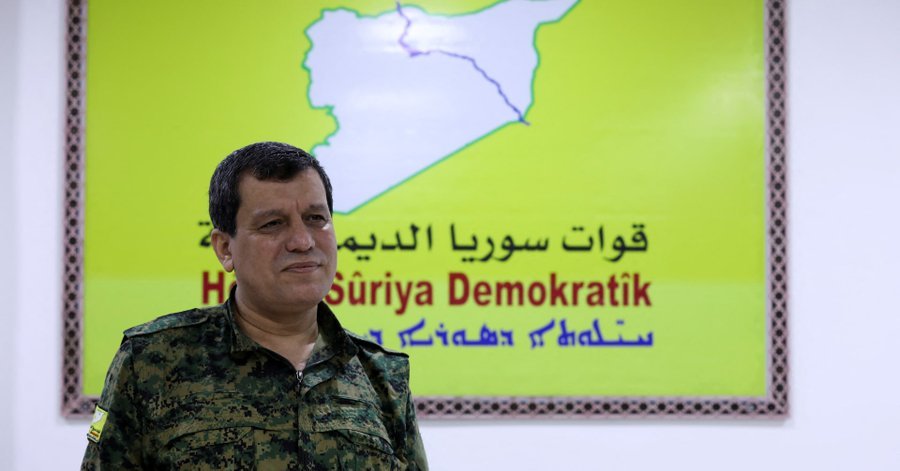
The statement followed an announcement by SDF commander Mazloum Abdi that the group would be dissolved and its forces integrated into Syria’s armed forces under an agreement with Damascus.
The development comes as Turkey is also pursuing a peace process with the Kurdistan Workers’ Party (PKK), which Ankara considers linked to the SDF. PKK leader Abdullah Ocalan called on the group to disarm and disband in February 2025, and the PKK announced in May that it would do so. Militants later symbolically destroyed their weapons at a ceremony in northern Iraq.
Turkey has repeatedly said that the SDF should also disband as part of the broader regional process.
Ankara has previously conducted several military operations against the SDF in northern Syria and continues to maintain thousands of troops there. Turkey says its forces will remain until the security threats it faces are addressed.
The Turkish government describes its peace initiative with the PKK as part of efforts to establish a “terror-free Turkey” and a “terror-free region”. Turkey’s parliament this month approved legislation providing a legal framework for the PKK’s disbanding, while Kurdish politicians have said that lasting peace would also require broader democratic and legal reforms.
The PKK has waged an insurgency against Turkey since 1984. The conflict has killed more than 40,000 people and contributed to decades of political, social and economic tensions, particularly in southeastern Turkey.
About the Author